
Facelift
Rediscover a Youthful, Natural Look
A facelift repositions underlying tissues of your neck and lower face for a smooth natural rejuvenation that enhances your unique features.

Tell Me More
What to Expect During a
Facelift
At Scottsdale Surgical Arts, we believe facial rejuvenation is a personalized process. We work closely with each patient to restore natural, balanced contours that complement their unique facial features.
Your experience begins with a personalized consultation where our providers assess your facial structure, aging patterns, and goals to determine if a facelift is right for you. On the day of surgery, you’ll be comfortably sedated, and discreet incisions are made along the hairline and around the ears. The deeper facial layers are lifted and repositioned to naturally rejuvenate the midface, jawline, and neck, then the incisions are carefully closed for optimal healing.
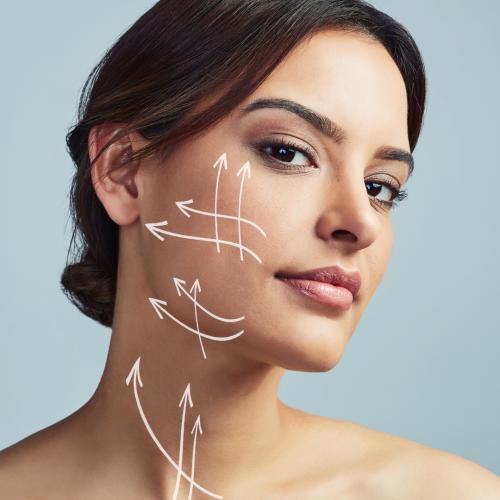
As the face ages, sagging along the jawline, hollowed cheeks, and deeper wrinkles can develop. A facelift addresses these concerns by lifting and repositioning the underlying facial layers, not just the skin, for a refreshed, youthful look. This advanced technique restores volume, refines the jawline, and creates smooth, natural results that last.
What is a Facelift?
A facelift is an advanced facial rejuvenation procedure that lifts not just the skin, but also the deeper layers of the face, including the muscles and fat pads. This technique allows for a more natural-looking result by restoring volume and definition to the cheeks, jawline, and neck without creating a tight or “pulled” appearance. It’s ideal for those seeking significant yet subtle improvements that reflect a refreshed, youthful version of themselves.
BENEFITS
The facelift is one of the most advanced and sought-after facial rejuvenation procedures available today.
Known for delivering transformative yet natural-looking results, it offers a number of distinct advantages.
Minimizes trauma to the skin compared to traditional facelifts
Enhances definition along the jawline, neck, and cheekbones
Reduces the need for future revision surgeries
Produces a more natural, youthful appearance
Lower risk of visible scarring
Restores lost volume in the midface and cheeks
Improves skin tone and texture by enhancing circulation
Can correct drooping around the eyes
Incisions are discreet and heal quickly
Boosts self-confidence by rejuvenating facial features
Lifts and firms advanced signs of aging
Eliminates jowls or excess skin under the chin
Tightens and smooths sagging skin
Can take years off your appearance—often by up to a decade
Subtly lifts the brow and opens the eye area
Softens or erases deep lines and wrinkles
WHO IS A CANDIDATE FOR A FACELIFT?
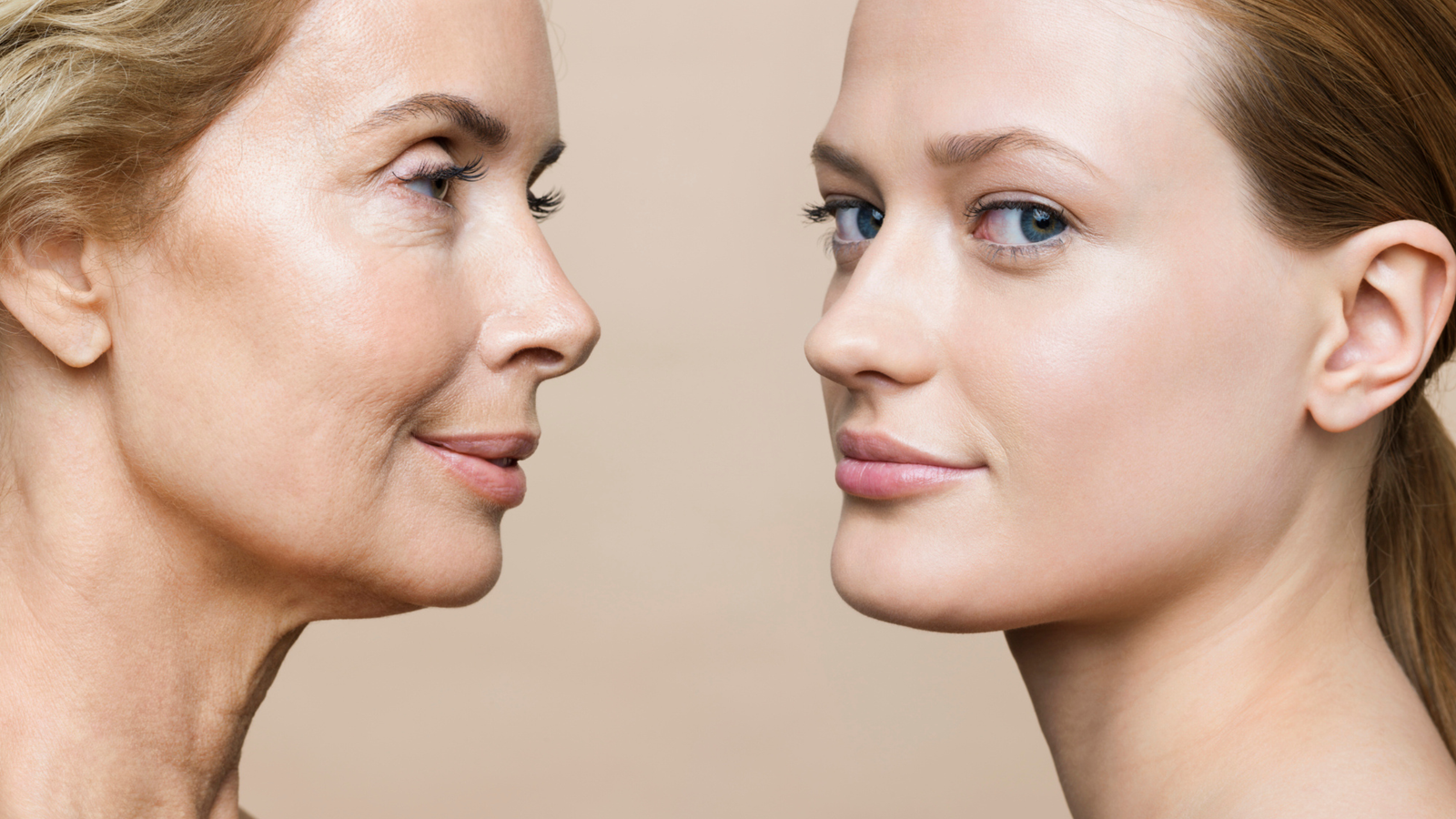
While younger patients can benefit from the facelift, it is most often recommended for individuals with more advanced signs of aging, typically men and women with significant skin laxity in the lower face and neck. This technique is especially effective for those looking to restore definition and achieve a noticeable, natural-looking rejuvenation. Ideal candidates generally:
Are in good overall health with no serious medical conditions
Are non-smokers
Have loose or sagging skin in the face or neck
Notice prominent jowls or a poorly defined jawline
Have volume loss in areas like the cheeks
Understand the goals and realistic outcomes of the procedure
Facelift Recovery
A facelift keeps the skin and muscles connected to the deeper facial layers, reducing tissue trauma and often leading to a smoother, quicker recovery.
The First Days After Surgery
After your facelift, you’ll go home the same day with someone to assist you. Use cold compresses for the first 48 hours and sleep with your head elevated to reduce swelling. Drains, if used, are typically removed within a few days, and you may shower and wash your hair after 48 hours.
Week 1: Week of Recovery
During this stage, rest is the priority, though light walking helps support circulation and healing. Keep your head elevated, as swelling often peaks around day four before improving. Most patients can drive and wear makeup after about a week, once they feel comfortable.
Week 2: Getting Back to Routine
By the second week, most swelling and bruising have improved, and many patients feel more like themselves. Around day 10, it’s common to resume light work and low-key social activities, depending on comfort and recovery.
Week 3: Increasing Activity & Weeks 4-6: Returning to Full Strength
By week three, most swelling and bruising have greatly improved, and you can usually ease back into moderate exercise. More strenuous activities are typically resumed between weeks four and six, once our providers confirm you’re healed enough to return safely.
Precision. Compassion. Results. Schedule Your Consultation Today.
Scottsdale
- 10603 Hayden Rd Ste H-112 Scottsdale, AZ 85260
- (480) 922-9933
Sedona
- 2935 Southwest Drive Suite 100 Sedona, AZ 86336
- (928) 282-1224
- frontdesk@scottsdalesurgicalarts.com